
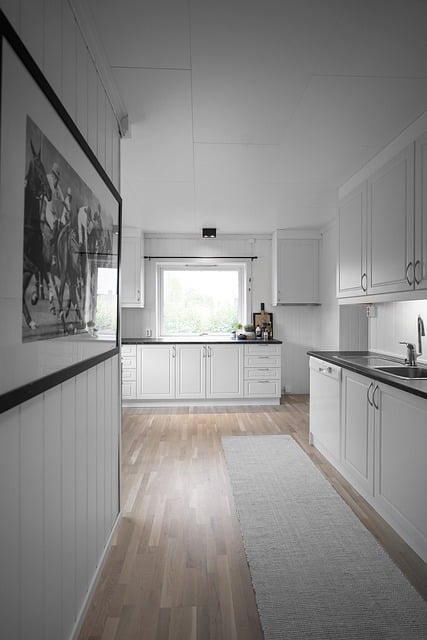
As we age or face mobility challenges, our kitchen—the heart of our home—can become a daunting place to navigate. However, with a few thoughtful modifications, we can transform it into a space that fosters independence and ease. Here are five simple yet effective changes to consider:
- Lowering Countertops and Shelves: Lowering countertops and shelves can make reaching for items much more manageable. Install adjustable shelving or invest in pull-out shelves to bring items within easy reach without the need for excessive stretching or bending.
- Easy-Grip Handles and Faucets: Switching out traditional knobs and handles for ones with a larger, more ergonomic design can make a world of difference. Opt for lever-style handles on cabinets and drawers, as well as faucets with easy-to-turn handles for effortless operation.
- Slip-Resistant Flooring: Replace slippery flooring with materials that provide better traction, such as non-slip tiles or cushioned vinyl. This simple modification can significantly reduce the risk of slips and falls, promoting safety in the kitchen.
- Brighter Lighting: Good lighting is essential for people with limited mobility, as it enhances visibility and reduces the risk of accidents. Install bright, energy-efficient LED lights under cabinets, in pantries, and over workspaces to illuminate the kitchen effectively.
- Accessible Storage Solutions: Consider incorporating accessible storage solutions like pull-out drawers, lazy Susans, and utensil racks to maximize space and minimize the need for strenuous reaching and bending. Organize frequently used items at waist level for easy access.
By implementing these straightforward kitchen modifications, individuals with limited mobility can enjoy a safer, more accessible cooking environment. Remember, even small changes can have a big impact on enhancing independence and quality of life in the kitchen.