
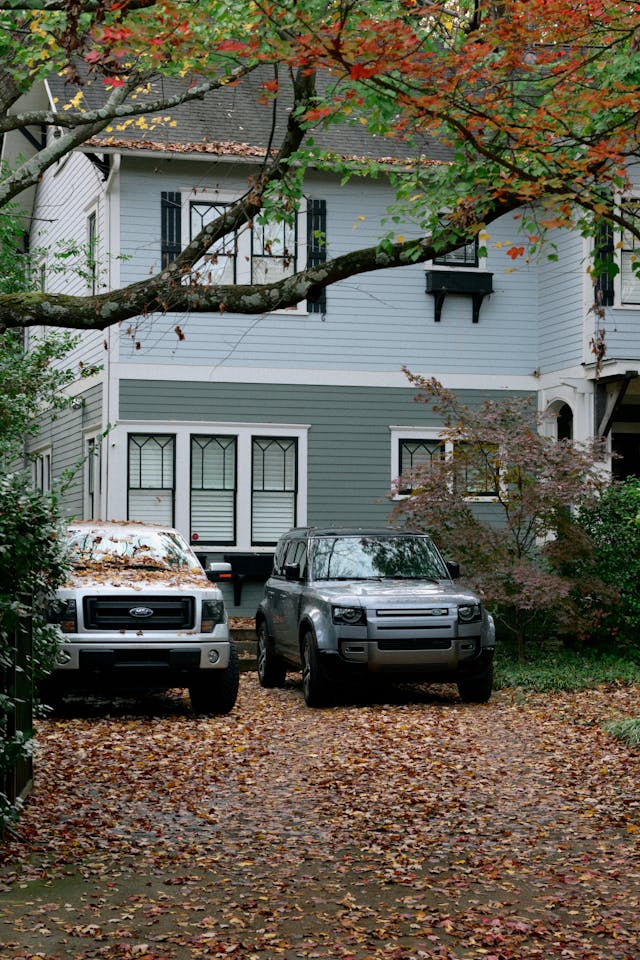
Have you ever walked into a home and immediately noticed a distinct, slightly musty, aged scent often described as the “old house smell” ? While it may feel nostalgic to some, it’s rarely just about age. That odor is usually a signal, and understanding it can reveal quite a bit about what’s happening behind the walls, beneath the floors, and above the ceilings.
At its core, this smell is typically the result of moisture interacting with building materials over time. Wood, drywall, insulation, and even dust can absorb humidity. When moisture lingers, it creates the perfect environment for microbial growth. Mold and mildew are common contributors, even when they’re not visibly apparent. In many cases, the smell is the first clue before any staining or damage becomes obvious.
Humidity plays a major role, especially in regions where the air tends to stay damp for long stretches of the year. Homes that lack proper ventilation—whether in crawl spaces, attics, or bathrooms—often trap that moisture inside. Over time, the air becomes stagnant, and odors build. Older homes may be more susceptible simply because they weren’t designed with modern moisture control methods in mind, but newer homes can develop the same issue if airflow is restricted.
Another factor is the natural breakdown of organic materials. Wood framing, for example, slowly releases compounds as it ages. When combined with dust and limited air circulation, those compounds contribute to that recognizable “old” scent. Add in years of absorbed odors from previous occupants—cooking, pets, smoke—and the smell becomes more complex.
Crawl spaces are a frequent source of the problem. If the ground beneath a home isn’t properly sealed or if drainage is poor, moisture can rise and seep into the structure above. That damp air doesn’t stay put—it travels upward, often making its way into living areas. Similarly, attics with insufficient ventilation can trap warm, humid air, leading to the same musty conditions.
The good news is that this smell isn’t something that has to be accepted as part of a home’s character. It’s usually manageable once the root cause is identified. Addressing moisture is the first step. That might involve improving drainage around the foundation, installing a vapor barrier in a crawl space, or ensuring vents and exhaust fans are doing their job effectively.
Air circulation also makes a noticeable difference. Simple steps like using dehumidifiers, maintaining HVAC systems, and keeping air moving can help reduce odor buildup. In cases where mold or mildew is present, proper remediation is essential—not just for the smell, but for overall indoor air quality.
Ultimately, that “old house smell” is less about age and more about conditions. It’s the home’s way of hinting that something isn’t quite balanced. Paying attention to it early can prevent more significant issues down the line—and make the space far more comfortable in the process.