
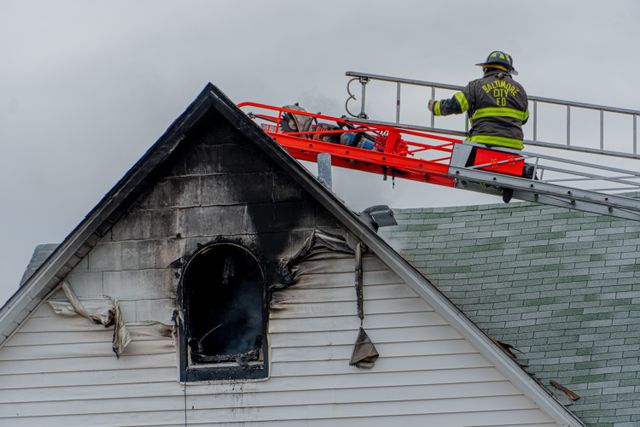
A house with a fire history can be one of the most overlooked opportunities in the real estate market. Some buyers immediately walk away when they hear the word “fire,” assuming the property must come with endless problems. Others see the possibility of purchasing a home at a lower price and turning it into a smart investment. The reality is that a home with previous fire damage is not automatically a poor choice—it simply requires a more careful evaluation before making a commitment.
In Georgia, where homes range from historic properties to newer builds and everything in between, a property’s history can reveal important details about its condition. A fire may have caused extensive structural damage, or it may have been isolated to a specific area. Understanding the difference is what separates a risky purchase from a potential opportunity.
Look Beyond the Fresh Paint and New Flooring
One of the biggest mistakes buyers make with a previously damaged home is focusing only on what is visible. A property can appear beautifully restored while still having hidden concerns beneath the surface.
Fire can impact more than just walls and finishes. Heat, flames, and smoke may affect:
- Structural framing
- Electrical systems
- Insulation
- Roofing components
- Plumbing materials
- Ventilation systems
Some damage is obvious, but other problems may remain hidden until months or even years later. A home’s appearance after repairs does not always tell the complete story.
The Importance of Knowing the Restoration History
A major factor in deciding whether a fire-damaged home is a good investment is understanding how the repairs were completed. Quality restoration work can make a significant difference in the long-term condition and value of the property.
Before moving forward, buyers should gather as much information as possible, including:
- Fire reports
- Insurance documentation
- Repair records
- Permits for completed work
- Details about the materials and systems replaced
A home that was properly restored with documented improvements is a very different situation from one where repairs were rushed or incomplete.
Smoke Damage Can Be More Than an Odor
Many people associate fire damage with visible destruction, but smoke can create its own set of concerns. Smoke particles can settle into building materials and may remain long after the flames are gone.
Materials such as drywall, insulation, and wood components can absorb smoke if they were not properly cleaned or replaced. A home may look move-in ready while still needing additional attention to address lingering effects from the fire.
Do Not Overlook Insurance and Future Costs
Before purchasing a home with a fire history, it is important to understand how that history may affect future expenses. Insurance availability, coverage options, and premiums can vary depending on the extent of the previous damage and the quality of the repairs.
Knowing these details ahead of time helps prevent unexpected surprises after closing.
When a Fire History Can Actually Be an Advantage
Not every home with a fire history should be considered a problem. In some situations, these properties can offer excellent value. A home that has been professionally restored, properly documented, and carefully maintained may provide an opportunity to purchase a desirable property at a more attractive price.
The goal is not to focus only on what happened—it is to understand what was done afterward.
The Final Inspection: Looking at the Full Picture
A previous fire is simply one chapter in a home’s story. The most important questions are whether the damage was properly addressed, whether repairs meet current standards, and whether the home is safe and functional today.
For buyers willing to research, ask questions, and carefully evaluate the property, a home with fire history may not be a red flag. It may be a second chance at finding a valuable investment with the right knowledge and preparation.