
When the temperatures climb, your air conditioner becomes one of the most important systems in the house. In a hot, humid climate, it may run for long stretches just to keep the indoor temperature comfortable. That kind of workload makes regular maintenance especially important.
Fortunately, homeowners can take care of several basic tasks themselves. The trick is knowing where routine upkeep ends and professional HVAC service begins.
Start With the Air Filter
A clean air filter is one of the simplest ways to help an air-conditioning system operate properly. As the filter collects dust and debris, airflow can become restricted, making the system work harder.
Check the filter regularly, particularly during the cooling season. Depending on the type of filter, household conditions, and how often the system runs, it may need to be replaced more frequently than the manufacturer’s general recommendation.
Don’t assume a filter is fine simply because it doesn’t look completely dirty. When in doubt, replace it.
Keep the Outdoor Unit Clear
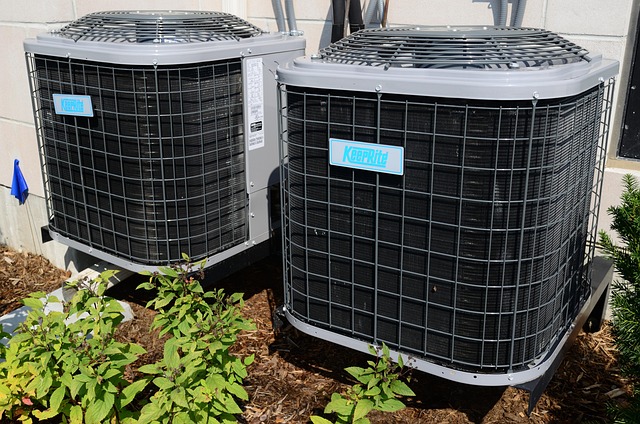
Take a walk around the outdoor condenser from time to time. Grass, leaves, pine needles, weeds, and other yard debris can accumulate around the equipment and interfere with airflow.
Keep vegetation trimmed back and avoid storing lawn equipment, tools, or other items directly beside the unit. After yard work, check that clippings and debris haven’t collected around the condenser.
A quick visual inspection can also reveal bent fins, damaged components, or unusual debris that deserves further attention.
Pay Attention to Drainage
Your air conditioner removes moisture from indoor air, and that water has to go somewhere. A clogged or poorly draining condensate line can result in water around the indoor equipment, ceiling stains, or other moisture problems.
Homeowners can watch for signs of standing water or unusual dripping, but recurring drainage problems are better handled by a qualified HVAC technician. A small drainage issue can become a much larger water-damage problem if it is ignored.
What Should Be Left to the Professionals?
Some parts of an air-conditioning system should not become weekend DIY projects.
Refrigerant work, electrical components, and major mechanical repairs require specialized knowledge and equipment. Refrigerant levels should be checked and adjusted by a qualified professional, especially because low refrigerant can indicate a leak rather than simply a need for more refrigerant.
Professional service is also appropriate for inspecting electrical connections, capacitors, motors, coils, blower components, and other parts that aren’t designed for casual homeowner maintenance.
Know What Your AC Is Telling You
Unusual noises, weak airflow, unpleasant odors, frequent cycling, unexplained increases in energy use, or rooms that suddenly won’t cool properly shouldn’t be dismissed as normal summer behavior.
Regular homeowner maintenance helps, but it isn’t a substitute for professional servicing. Keeping the system clean, maintaining good airflow, watching for drainage problems, and responding to unusual changes can all help protect the equipment.
A little preventive attention today can go a long way toward avoiding an uncomfortable—and potentially expensive—surprise when you need your air conditioner most.