
A toilet is one of the hardest-working fixtures in any home, yet it is easy to overlook until something goes wrong. A slow leak, a running tank, or a persistent wobble might seem like a minor annoyance, but these small warning signs can point to bigger plumbing problems. Fortunately, a little routine maintenance can help keep your toilet reliable, protect your home, and prevent unnecessary repair costs.
🚽 Small Problems Can Lead to Big Repairs
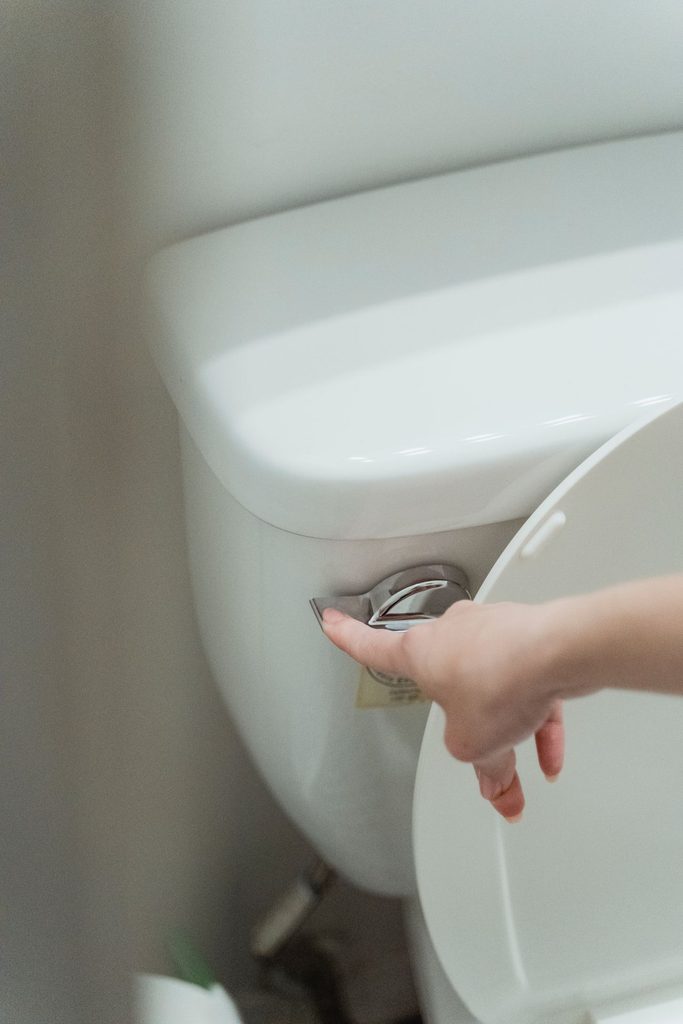
Toilets use water every day, and even a minor defect can waste a surprising amount of it. A faulty flapper, worn fill valve, or poorly adjusted float can cause water to run continuously into the bowl. That extra water can increase utility bills without making a sound loud enough to notice.
Leaks around the toilet base deserve particular attention. Damaged seals, loose connections, or plumbing defects may allow water to seep beneath the flooring, potentially damaging subfloors, weakening nearby materials, and encouraging mold growth when moisture persists.
The key takeaway? Addressing small issues early is usually simpler than repairing the damage they leave behind.
🔍 Five Simple Toilet Maintenance Checks
A quick inspection every month or two can help identify developing problems before they become expensive headaches.
- Check for leaks. Look around the base, supply line, shutoff valve, and tank connections for moisture, staining, or corrosion.
- Listen after flushing. If the toilet continues running or refilling long after use, inspect the tank components.
- Test for hidden leaks. Add a few drops of food coloring to the tank without flushing. If color appears in the bowl after about 10–15 minutes, the flapper may be leaking.
- Check stability. A toilet should not rock or shift when used. Movement can compromise the seal and may indicate a mounting problem. Avoid overtightening the bolts, which can crack porcelain.
- Clean carefully. Use a toilet-safe cleaner and a soft brush. Avoid abrasive tools and chemical combinations that can damage surfaces or create hazardous fumes.
💧 Don’t Ignore the Toilet Base
A dry-looking bathroom floor does not always mean everything is fine. Watch for soft flooring, discolored grout, musty odors, or recurring moisture around the toilet. These clues warrant further investigation.
If the toilet rocks, leaks at its base, or shows signs of floor damage, have the underlying cause assessed rather than simply applying fresh caulk. Caulk alone cannot repair a failed wax ring, damaged flange, or deteriorated subfloor.
🛠️ Know When to Call a Professional
Routine cleaning and simple checks are manageable for most homeowners. Persistent clogs, sewage odors, recurring leaks, cracked porcelain, or unexplained water damage call for professional attention. If a leak cannot be controlled, shut off the toilet’s water supply when safe to do so.
The Bottom Line
Toilet maintenance may not be the most exciting item on a home care checklist, but it is one of the easiest ways to protect a home’s plumbing and prevent avoidable water damage. A few minutes of attention today can help keep everything flowing as it should tomorrow.
A well-maintained toilet does more than flush. It helps safeguard the home, one flush at a time.