
Are you preparing to buy an older property, or have you recently moved into a house that is over 40 years old? If so, you may have some concerns about the presence of lead on or around the property. In this blog, we are going to discuss the potential sources of lead in older properties, as well as some of the risks associated with lead exposure.
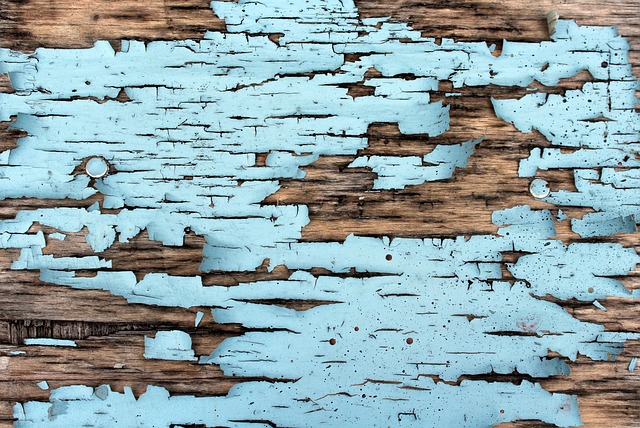
Perhaps one of the biggest sources of lead exposure in an older home is lead-based paint. When lead paint begins to deteriorate, it will chip and turn to dust. As this dust settles on floors and surfaces in the home, it will pose a threat to children playing in these areas. Children are at high risk of lead exposure, which can cause some serious health issues like developmental delays, behavioral problems, and learning difficulties.
Lead pipes or plumbing fixtures are another source of lead in old homes and can put the home’s occupants at risk of exposure. The risk of exposure is greatly increased if water is sitting in these pipes for many hours, as lead can dissolve into water.
The presence of lead may also be detected in the soil surrounding the house. Lead paint is, again, often the cause of this. As the exterior paint deteriorates and chips, it can cause lead to seep into the soil and contaminate it. If the soil is used for gardening or is near a child’s play area, this will pose a problem.
As we have briefly explained, exposure to lead can present several serious health problems, especially in young children and fetuses. If you have concerns about lead exposure in your home, have the home tested by a certified professional who will be able to assess the problem and provide further advice.