
When people think of mold, they often picture older homes with leaky roofs, musty basements, and outdated plumbing. While it’s true that these factors can contribute to mold growth, it’s a misconception that mold is only an issue in older properties. In reality, mold can develop in homes of any age if conditions are favorable. Let’s explore why this is the case and what all homeowners should know about the risks.
The Conditions Mold Needs to Thrive
Mold spores are naturally present in the air around us. They become a problem when they land on damp surfaces and begin to grow. The key ingredients for mold growth are moisture, warmth, and organic material—like wood, drywall, or fabric. If a home has any moisture issues, whether due to a leaking pipe, condensation, or poor ventilation, mold can quickly take hold.
Newer Homes Aren’t Immune
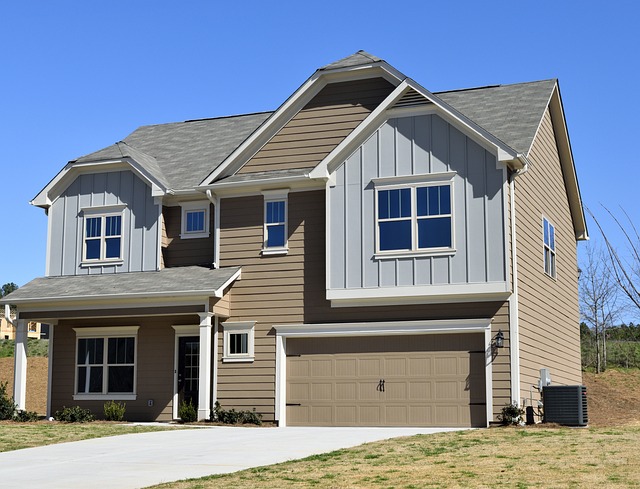
Many people assume that newer homes are less prone to mold issues. However, modern building practices can actually make newer homes more susceptible. For one, the push for energy efficiency has led to tightly sealed buildings, which can trap moisture inside. Without adequate ventilation, this trapped moisture can lead to condensation on walls, windows, and other surfaces—perfect conditions for mold.
Additionally, construction delays or rushed timelines can introduce moisture to a new build. If materials like wood or drywall are exposed to rain and not thoroughly dried before installation, mold can develop behind walls or under flooring. Once these hidden mold colonies take root, they can be challenging to detect and remediate.
Common Triggers for Mold in Homes of Any Age
It’s important to recognize that mold doesn’t discriminate based on the age of a home. The following scenarios can trigger mold growth, regardless of whether a house is brand new or decades old:
- Plumbing Leaks: Even a small, slow leak behind a wall or under a sink can create the damp environment mold needs to thrive.
- Poor Ventilation: Bathrooms, kitchens, and laundry rooms that aren’t properly ventilated can accumulate moisture, leading to mold growth.
- Flooding or Water Damage: Any significant water intrusion, whether from a storm or a burst pipe, can lead to mold if not promptly and properly addressed.
- Humidity: In humid climates or during certain seasons, indoor humidity levels can rise. Without dehumidification, these conditions can lead to mold growth.
Prevention Strategies
Regardless of the age of your home, mold prevention should be a priority. Regularly inspecting and maintaining your plumbing, ensuring proper ventilation in moisture-prone areas, and addressing any water damage immediately are essential steps.
Final Thoughts
Mold is not just an “old house problem.” Whether a home is brand new or decades old, mold can take hold if conditions allow it. By understanding the common triggers and staying proactive about moisture control, homeowners can reduce their risk. Mold doesn’t care about your home’s age; it only cares about finding a damp place to grow.