
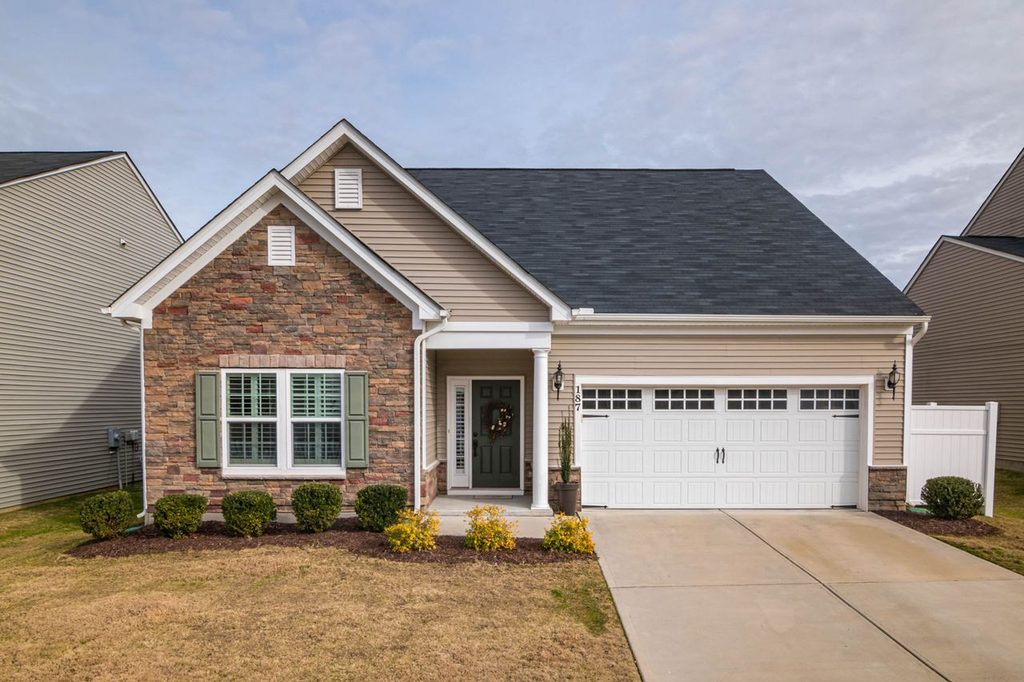
Manufactured stone veneer can give a home the timeless appearance of natural stone without the weight, expense, or installation demands of a full-stone exterior. From front porches and entryways to foundation walls and exterior accents, it is a popular way to add character and visual appeal.
But while this material can be an attractive upgrade, there is more to it than meets the eye. Understanding its benefits and potential drawbacks can help homeowners make informed decisions.
What Is Manufactured Stone?
Manufactured stone veneer is a man-made product typically made from cement, lightweight aggregates, and iron oxide pigments. It is molded and colored to resemble natural stone, with variations in shape, texture, and color.
Unlike full-thickness masonry, veneer is generally a decorative facing installed over a suitable backing system. Its performance depends heavily on proper installation, flashing, drainage, and moisture management.
The Advantages: Why Homeowners Like It
1. Attractive Appearance
Manufactured stone offers the look of natural stone in a wide range of styles, from rugged fieldstone to neatly cut ledgestone. It can complement traditional Southern homes, newer construction, and farmhouse-inspired designs.
2. Lower Cost
It is often less expensive than natural stone, particularly when material costs and installation labor are considered. Actual savings depend on the product, project size, and complexity.
3. Lighter Weight
Because it weighs less than full-thickness stone masonry, manufactured veneer can be installed on certain walls and features that may not be suitable for heavier stone. The wall assembly must still be designed to support the product.
4. Design Flexibility
It works well around entryways, fireplaces, columns, and selected exterior walls, allowing homeowners to create a high-end appearance without covering the entire house.
The Disadvantages: What Deserves a Closer Look?
1. Moisture Intrusion
This is one of the biggest concerns with exterior stone veneer. Water can enter through cracks, joints, or improperly detailed openings. If the drainage plane, flashing, or moisture barrier is inadequate, water may become trapped behind the veneer, contributing to wood rot, corrosion, or interior damage.
2. Installation Quality Matters
Even an attractive product can perform poorly when installed incorrectly. Missing flashing above windows and doors, inadequate drainage, and improperly sealed penetrations can create expensive problems.
3. Repairs Can Be Noticeable
Matching the original color, texture, and shape during repairs may be difficult, especially if the product has weathered over time or is no longer available.
4. It Is Not Structural Stone
Manufactured veneer is primarily a finish material. It should not be mistaken for a structural masonry wall or assumed to provide the same performance as full-thickness stone.
What Should Homeowners Watch For?
During a home inspection, look for cracked or loose veneer, deteriorated sealant, staining, gaps around windows and doors, and signs of moisture damage near the base of the wall. These conditions do not automatically mean a major defect exists, but they deserve closer evaluation.
The Bottom Line
Manufactured stone veneer can deliver excellent curb appeal and lasting value when properly selected, installed, and maintained. The key is looking beyond the attractive surface. Good drainage, sound flashing, and careful installation are what help keep this decorative finish looking good—and help protect the home behind it.