
Renovating an old property can be a rewarding experience that results in a beautiful and charming home filled with modern conveniences. However, it’s also a project that can be fraught with problems and challenges, especially as many hazardous materials are often found in older homes. In this article, we are going to discuss the hazards associated with fixing up an old property.
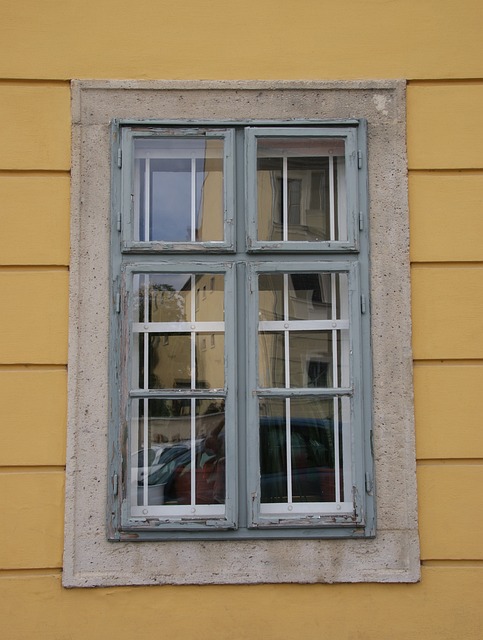
When fixing up an old property, it’s important to be aware of the hazardous materials that you may encounter during the renovation process. A discovery of these materials can delay the project, add to the cost, and pose a threat to your health and safety. Here are some common hazardous materials you may find in your fixer-upper:
Aluminum Wiring. During the 1960s and 70s, aluminum wiring was often used instead of copper wiring. It has since been found to be defective over time. So, if you discover aluminum wiring in your home, you’ll likely need to replace it, as it’s not considered safe.
Asbestos. Asbestos was commonly used as insulation during the 1930s through to the 1950s but is now recognized as a very hazardous material. If you find asbestos during your renovation, don’t try to remove it yourself. Instead, it should be taken care of by a qualified professional.
Lead Paint. Homes over 40 years old may contain lead paint, which can become a hazard if it’s deteriorating and chipping or turning to dust, especially for babies and small children.
Radon Gas. Radon gas cannot be seen or smelled, but your old home may contain higher levels of it, which can be harmful to your health. A test should be done to determine the radon levels in your home, and if high levels are found, the gas should be mitigated by a professional.
From this brief review, it’s clear to see the need to prepare yourself for all the potential issues associated with renovating an old home.