
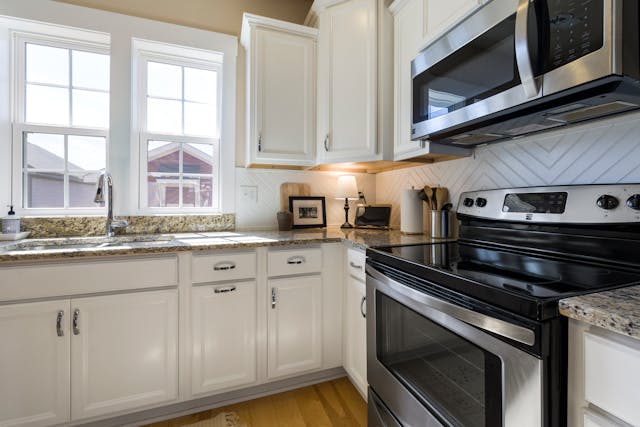
The kitchen often becomes the heart of a home, but behind attractive countertops and modern appliances, there can be hidden issues that turn an exciting purchase into an expensive surprise. A careful look at the kitchen can reveal a great deal about the overall condition of the property and help buyers make a more informed decision before signing on the dotted line.
Start With the Cabinets and Countertops
Cabinets do more than provide storage. They can also hint at moisture problems, poor installation, or long-term wear. Open and close doors and drawers to check whether they operate smoothly. Warped wood, soft spots, or staining underneath the sink may indicate past or ongoing leaks.
Countertops should also be inspected closely. Cracks, lifting edges, or loose sections may not seem serious at first, but repairs can become costly depending on the material. Even small cosmetic flaws sometimes point to larger structural movement or moisture concerns beneath the surface.
Pay Attention to Plumbing
One of the most important areas in any kitchen is the plumbing system. Turn on faucets and check water pressure and drainage speed. Slow drains may suggest clogs or pipe issues further down the line.
Look carefully under the sink for signs of trouble. Water stains, corrosion, mold growth, or musty odors can indicate leaks that have been ignored for some time. Even minor drips can damage cabinetry, flooring, and nearby walls if left untreated.
It is also wise to ask about the age of plumbing components if possible. Older supply lines and shut-off valves can fail unexpectedly and may need replacement sooner rather than later.
Check the Appliances Carefully
Included appliances should always be tested during a walkthrough whenever possible. Ovens, dishwashers, garbage disposals, and built-in microwaves should operate properly and show no obvious signs of neglect.
A kitchen with newer appliances may look appealing, but appearance alone does not guarantee proper installation. Loose connections, missing anti-tip brackets on ranges, or inadequate ventilation can create safety concerns that are easy to overlook during a quick showing.
Don’t Ignore Electrical Details
Modern kitchens rely heavily on electrical systems, making this area especially important. Outlets near countertops should be properly protected and functional. Flickering lights, warm outlets, or overloaded extension cords may signal outdated wiring or circuits struggling to handle demand.
Buyers should also look for sufficient lighting throughout the space. A dim kitchen can make cooking difficult and sometimes hides cosmetic or structural issues that become more noticeable later.
Flooring and Ventilation Matter Too
Kitchen flooring takes constant abuse from moisture, foot traffic, and heavy appliances. Uneven tiles, soft flooring, or gaps near edges may indicate water damage beneath the surface.
Ventilation is another commonly overlooked feature. A properly functioning exhaust fan helps remove moisture, grease, and cooking odors from the home. Poor ventilation can contribute to humidity problems and even mold growth over time.
Why These Checks Are So Important
A kitchen may be one of the most expensive rooms in a house to repair or renovate. Taking the time to inspect its condition carefully can help buyers avoid unexpected expenses and feel more confident about their investment. A beautiful kitchen should offer more than style alone — it should also provide safety, function, and long-term reliability.