
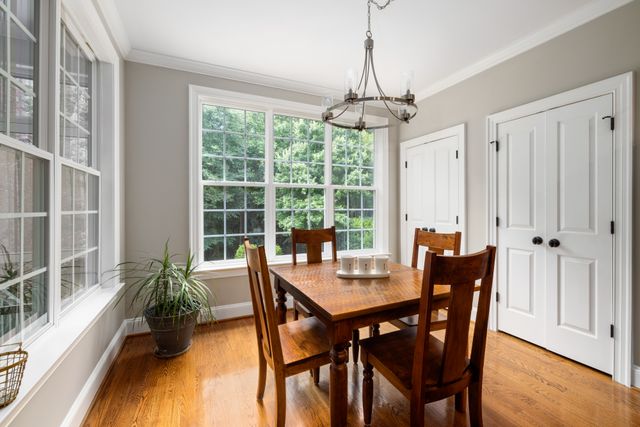
Most homeowners think of doors as simple features that provide privacy and separate rooms. However, interior doors can quietly reveal important clues about the overall condition of a house. A door that suddenly sticks, swings open on its own, or refuses to latch may be more than just a minor inconvenience. In many cases, it can point to changes happening elsewhere in the home that deserve closer attention.
When a Door Stops Working Properly
Doors are installed to fit squarely within their frames. When they no longer open or close smoothly, something has usually changed. Seasonal humidity can cause wood doors to expand slightly, but persistent problems often suggest movement within the home’s structure.
A sticking door, uneven gaps around the frame, or a latch that no longer lines up may indicate that the framing has shifted. While this doesn’t automatically mean there is a serious structural problem, it is a sign worth investigating rather than ignoring.
Foundation Movement Leaves Clues
One of the most common reasons doors begin behaving differently is foundation movement. As the soil beneath a home expands, contracts, or settles over time, small shifts can occur throughout the structure. These changes are often first noticed in areas where precision matters most, such as doors and windows.
If several doors throughout the house suddenly become difficult to operate, it may suggest more than normal seasonal movement. When paired with wall cracks or uneven floors, the evidence becomes even more meaningful.
Moisture Can Be the Hidden Cause
Excess moisture is another factor that frequently affects door performance. Leaks, poor drainage, or elevated indoor humidity can cause wood components to swell. Over time, this can make doors rub against the frame or floor.
Moisture-related issues may also lead to damaged trim, peeling paint, or soft flooring near doorways. Identifying the source early can help prevent more extensive and costly repairs later.
Doors and Windows Often Tell the Same Story
When doors begin sticking, it is wise to check nearby windows as well. Windows that become difficult to open, locks that no longer align, or visible gaps around frames may all point to the same underlying issue.
Looking at these signs together provides a more complete picture of how the home is performing and whether further evaluation is warranted.
Don’t Ignore Small Changes
A door that squeaks may simply need lubrication, but a door that suddenly changes the way it fits should not be dismissed as ordinary wear and tear. Small changes often serve as early warning signs that something else is affecting the home’s condition.
Paying attention to these subtle indicators allows potential issues to be identified before they develop into larger concerns. While not every sticking door signals a major defect, it is always worth understanding why it changed. In many homes, the doors quietly provide valuable insight into what is happening behind the walls, beneath the floors, and throughout the structure.